The science behind us
Every fertility brand says its laboratory is good. Here is the specific, checkable version: Cell Mate’s laboratory was built by Rajnish Sehgal, who has spent over thirty years in andrology and cryopreservation, and who has been teaching the technique to clinicians since 2001.
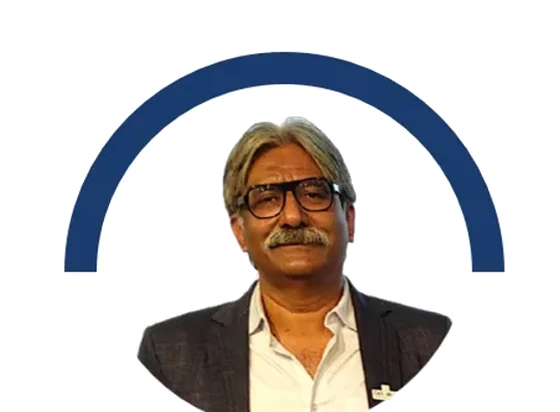
Rajnish Sehgal
Co-founder and Chief Technology Officer, Cell Mate
Andrology and cryopreservation. Trained at Bourn Hall Clinic in the United Kingdom, the clinic where IVF began.
Most people in fertility work across the whole field. Rajnish has spent his entire career on one part of it: what happens to a sample in the laboratory. Assessing it, preparing it, freezing it, and keeping it viable for as long as it needs to be kept.
He trained at Bourn Hall Clinic in the United Kingdom, the clinic founded by the team behind the first IVF birth. He went on to build one of India’s largest sample banks, and the team he leads has frozen more than 850,000 samples. He developed the freezing media used in Cell Mate’s own laboratory.
None of that is unusual to say. What is harder to arrange is the next part.
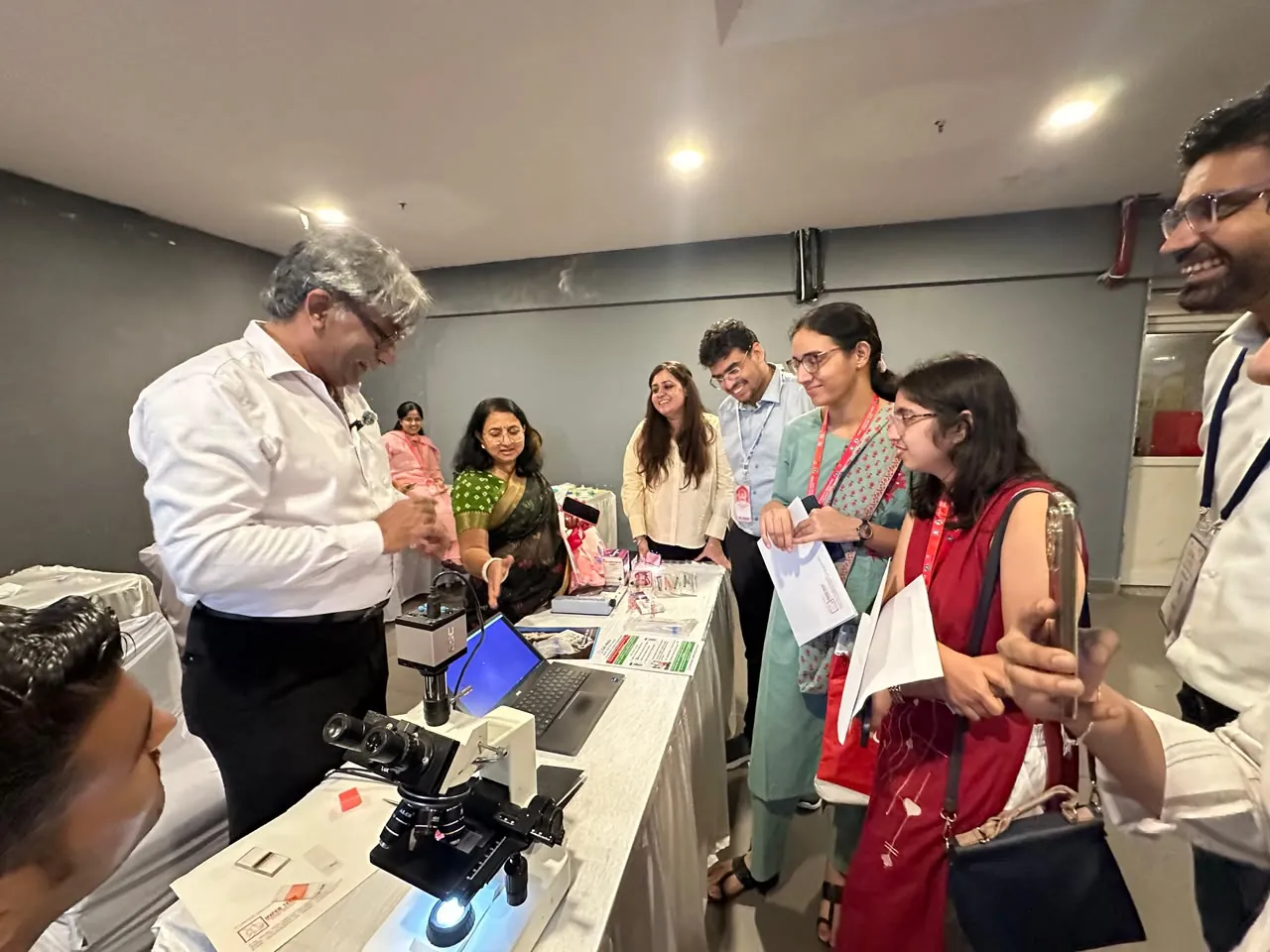
Since 2001 he has taught andrology laboratory practice to gynaecologists, embryologists and residents at conferences, medical colleges and hospital departments across India. Roughly forty-five of those sessions are documented. There have been a great many more.
Medical colleges in Gorakhpur, Meerut, Lucknow, Kota, Trichy, Jammu and Srinagar have all had him at the bench at some point. The list keeps growing, mostly because the same societies keep asking again.
The teaching, and the thank-yous that followed.
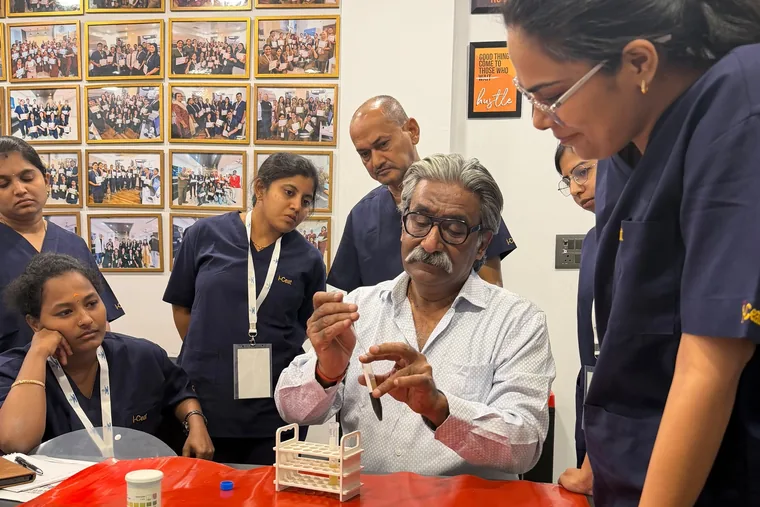 At the bench, everyone watching the hands
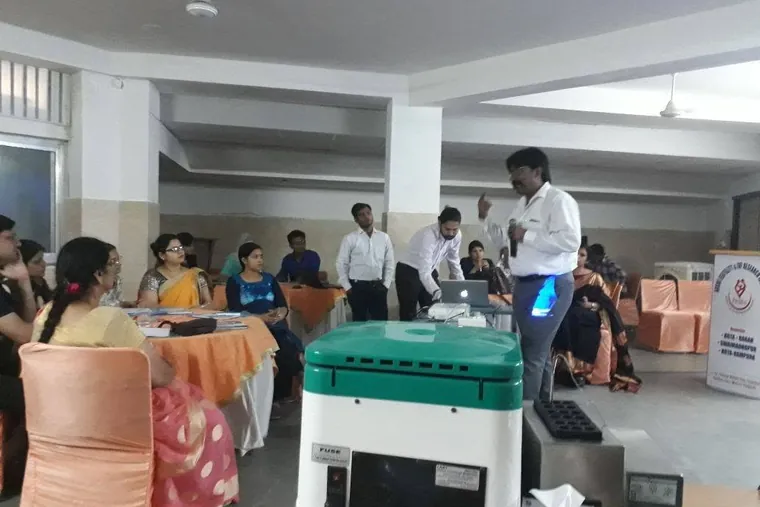 Semen analysis and interpretation, projected
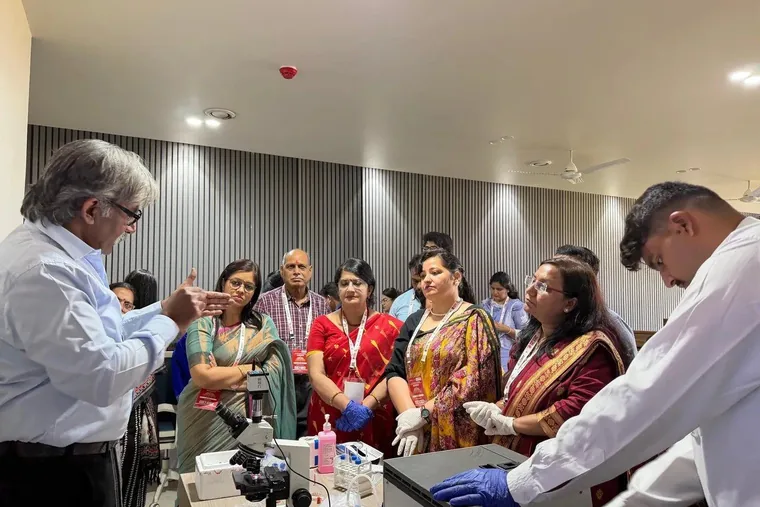 Round the microscope at a hospital bench
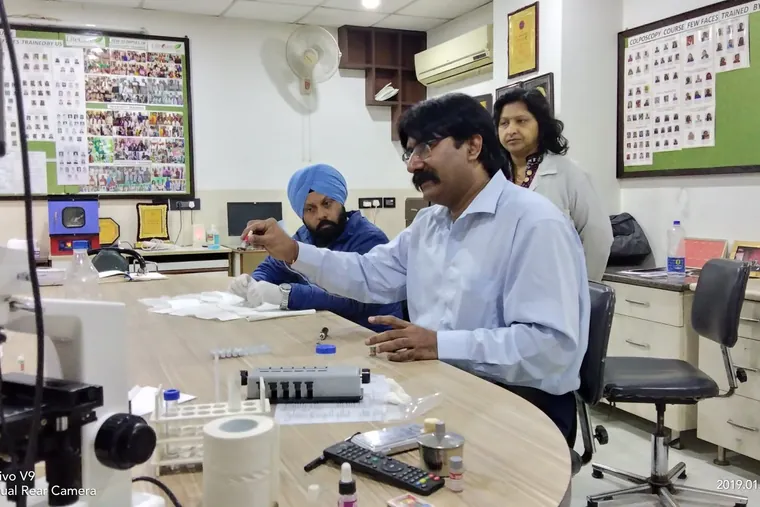 Reading morphology with the field on screen
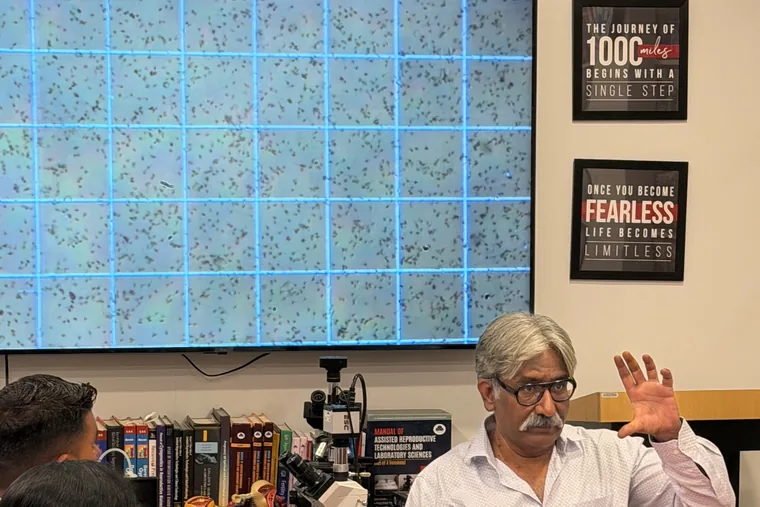 A hands-on session in progress
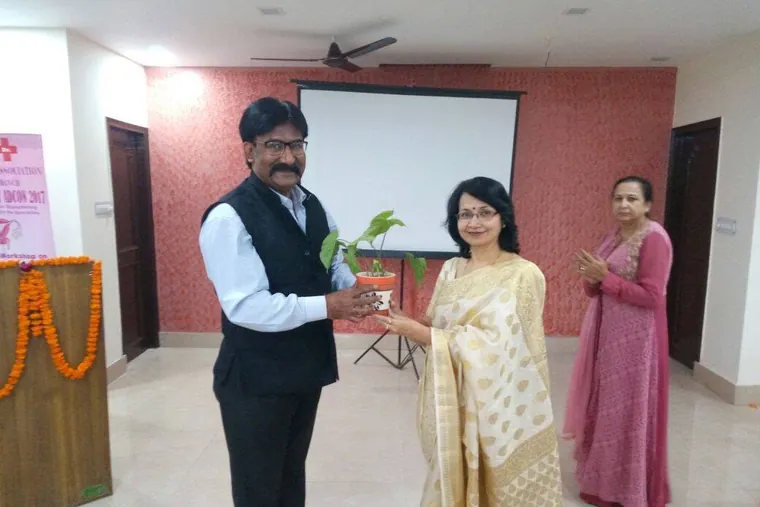 Working through a sample with the room
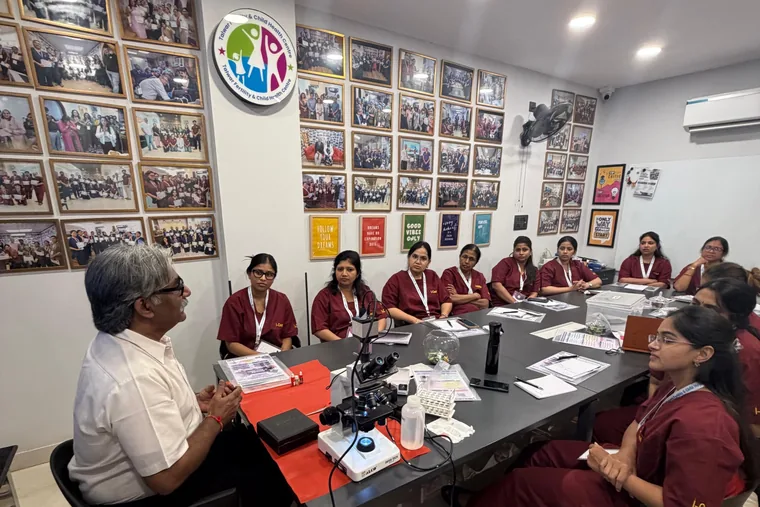 Teaching at a medical college
 Counting, checked field by field
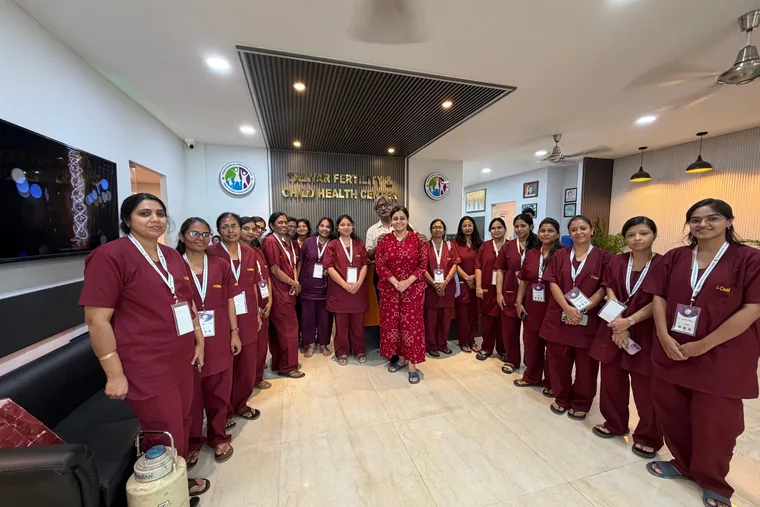 The cohort, after the session
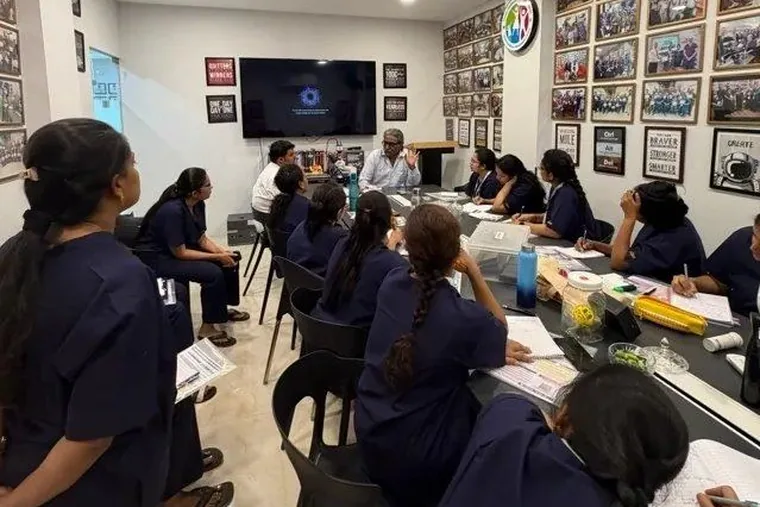 Demonstrating to residents, UCMS and GTB Hospital
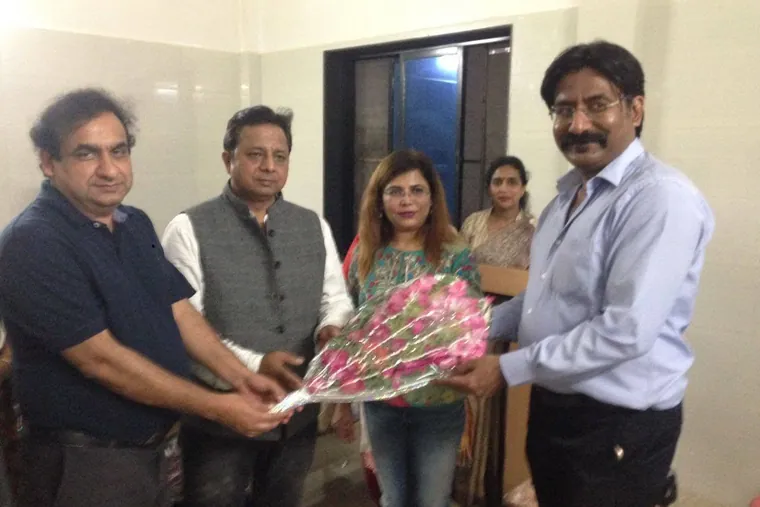
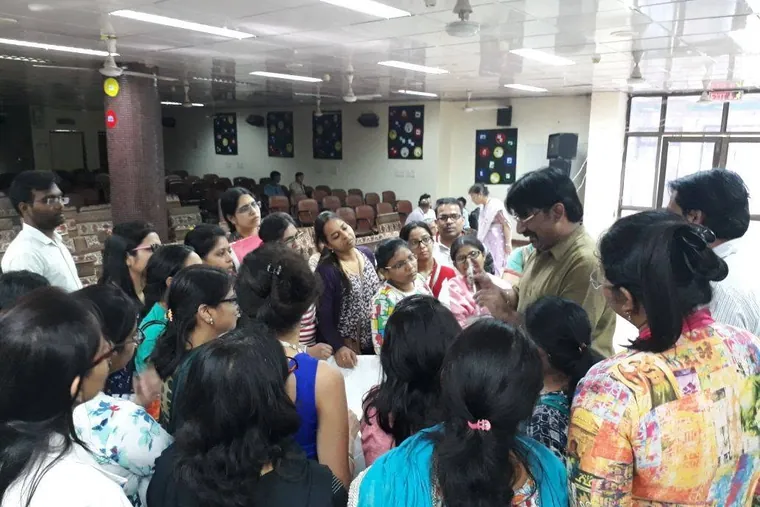 Felicitated after a hands-on session
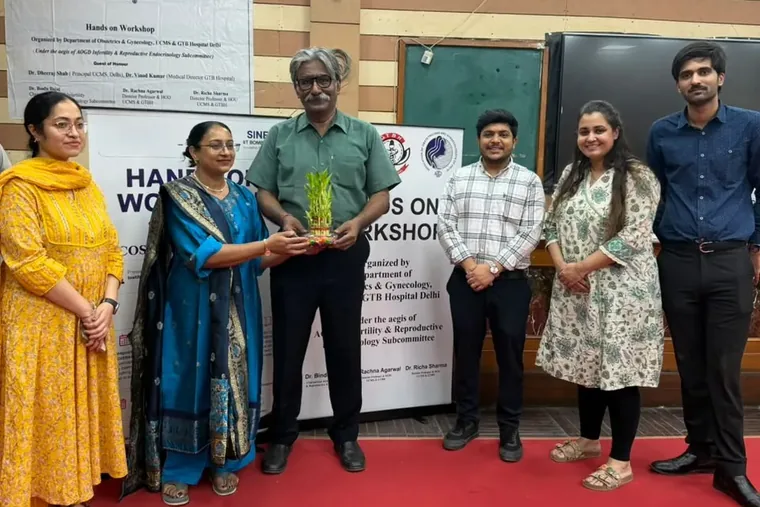 Felicitated at the UCMS and GTB workshop
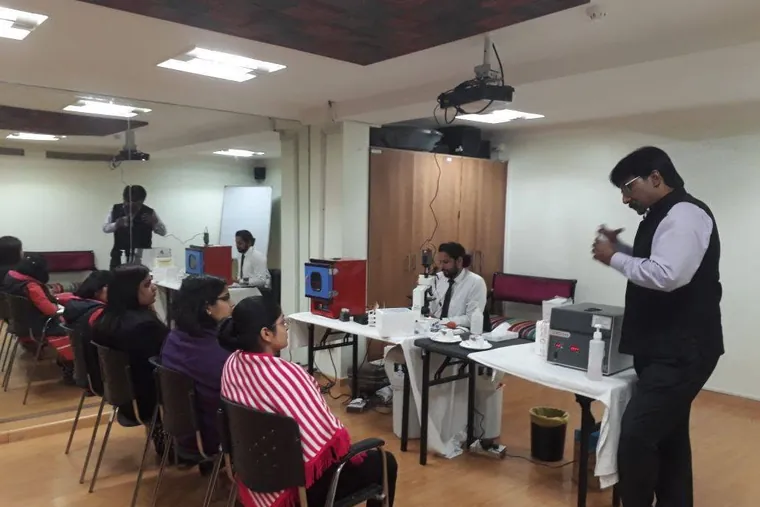 At a workshop bench
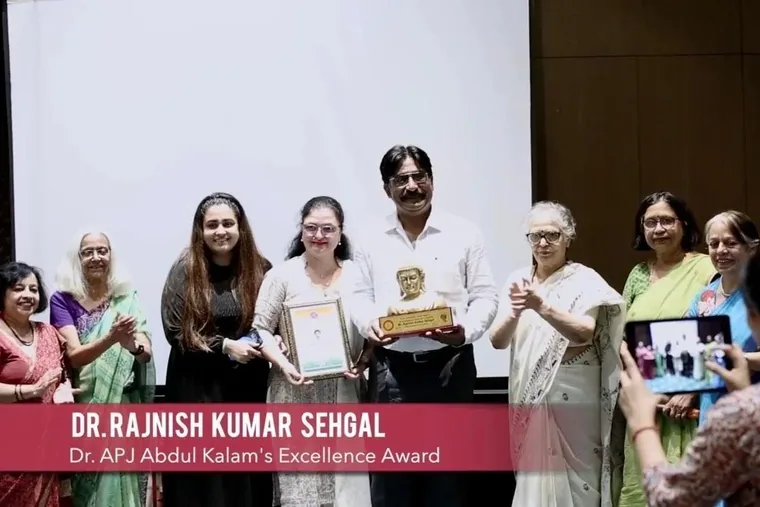 Dr APJ Abdul Kalam Excellence AwardAt the bench, everyone watching the handsSemen analysis and interpretation, projectedRound the microscope at a hospital benchReading morphology with the field on screenA hands-on session in progressWorking through a sample with the roomTeaching at a medical collegeCounting, checked field by fieldThe cohort, after the sessionDemonstrating to residents, UCMS and GTB HospitalFelicitated after a hands-on sessionFelicitated at the UCMS and GTB workshopAt a workshop benchDr APJ Abdul Kalam Excellence Award
Conferred by the Delhi Gynaecologist Forum, for contribution to andrology and cryopreservation. It is a professional body of practising gynaecologists recognising the laboratory side of the work, which is the part that usually goes unnamed.
The award ceremony. More about the award.
Technique is the part of a laboratory that varies. Equipment can be bought. Reading a sample correctly, every single time, cannot.
In April 2012, a Hindi film had suddenly made sperm donation dinner-table conversation across India, and Deccan Herald went looking for people who actually worked in the field. They found three: the heads of IVF units at two large hospital groups, and Rajnish.
He made the point he still makes: that male factor is involved in about half of all infertility cases (WHO), and that the public conversation had barely caught up with it. On the stigma around donation, his line was that it is “as easy as blood donation”.
Read the piece on Deccan Herald →He was already the person a national daily called when it needed someone who knew the laboratory side. That was fourteen years ago, and several years before Cell Mate existed.
Alongside the free teaching, which carries on regardless, he runs The Andrology School, a two-day hands-on laboratory course for clinicians in Delhi. It is there for doctors rather than for customers, but it is worth knowing it exists: the technique used on your sample is the technique he is asked to teach.
How a sample is assessed, what gets stored, how long it lasts, what your report actually says. No commitment at any stage.
Talk to us, no pressure → Cell Mate