 Cell Mate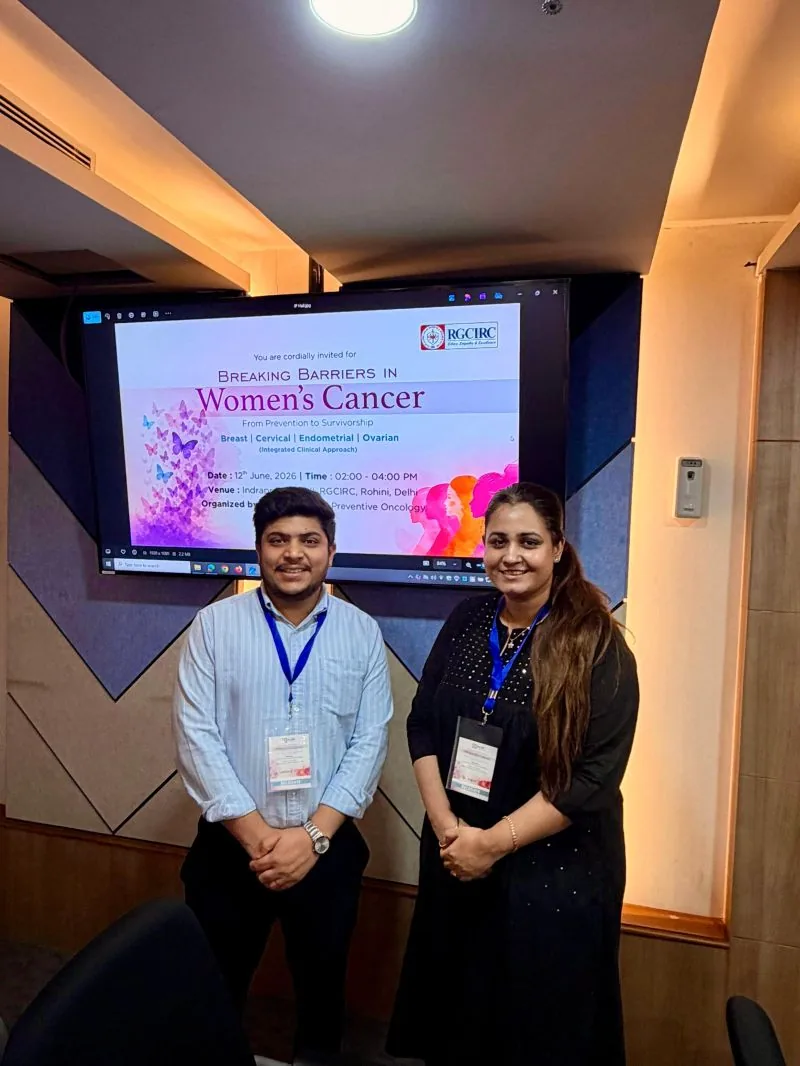
From prevention to survivorship — across breast, cervical, endometrial and ovarian cancers — it was a sharp, eye-opening session, and a reminder of how much prevention and early conversations matter.
Big thanks to the faculty — Dr. Vandana Jain, Dr. Renuka Gupta, Dr. Garima and Dr. Indu Aggarwal — for a session that gave us plenty to think about.
A few things stayed with us
- Cancer is hitting the younger generation harder than ever.
- Lifestyle is a force multiplier — for risk, for outcomes, and for overall health. Prevention isn't a footnote; it is the front line. And that holds true in every vertical of health, whether it's cancer or your fertility.
- The session on fertility-sparing treatment resonated with us most.
Why the fertility conversation mattered most
It was encouraging to hear clinicians emphasise timely fertility counselling and fertility preservation in the right age group — because that conversation, had early enough and before treatment begins, can preserve a patient's chance to start a family later.
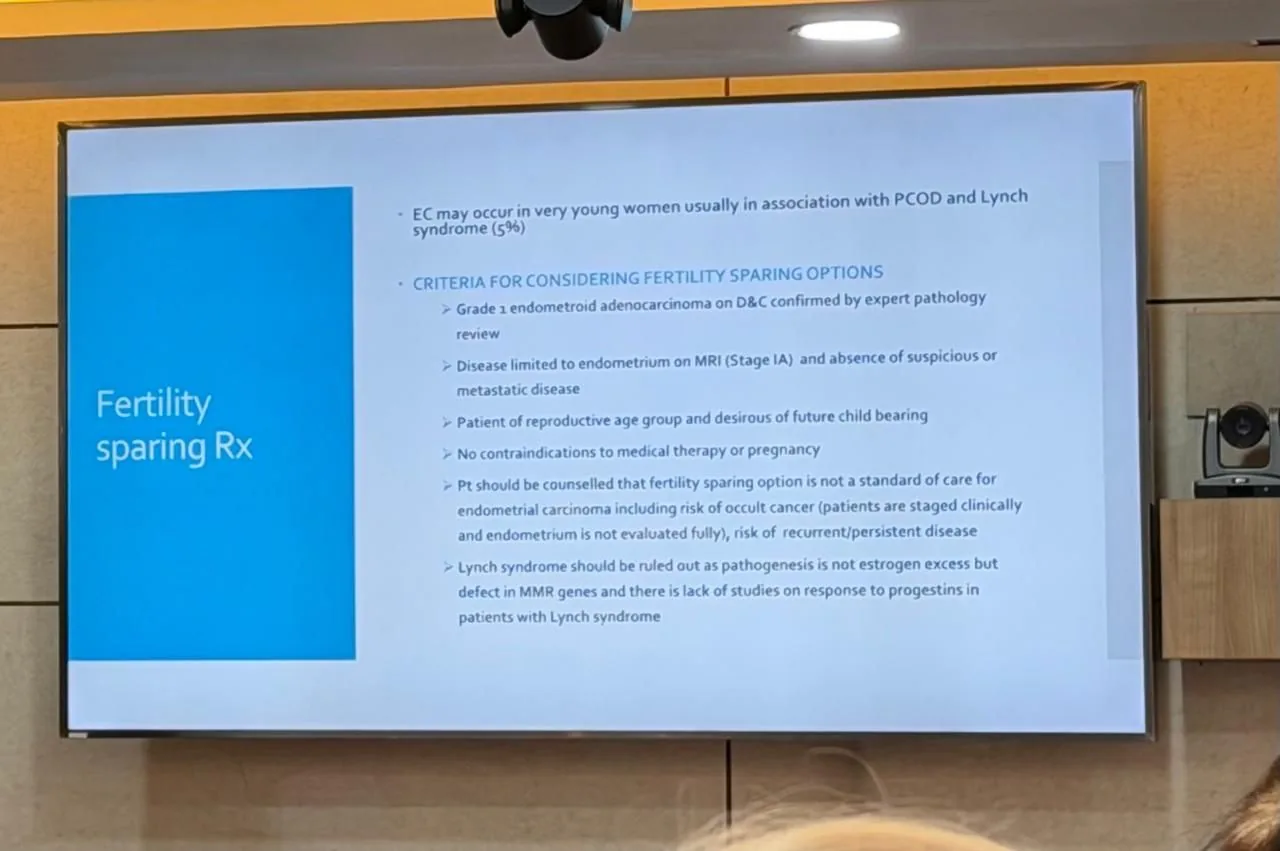
Globally, guidelines recommend fertility counselling for every patient of reproductive age — yet only about half ever have that discussion. Closing that gap is everyone's work: oncologists, fertility specialists and patients alike.
This is exactly why oncofertility matters to us
Survivorship should include the future a patient imagined for themselves. If treatment is ahead, preserving eggs or sperm beforehand keeps that future open — and we move fast, and gently, to make it possible.
Explore oncofertility →